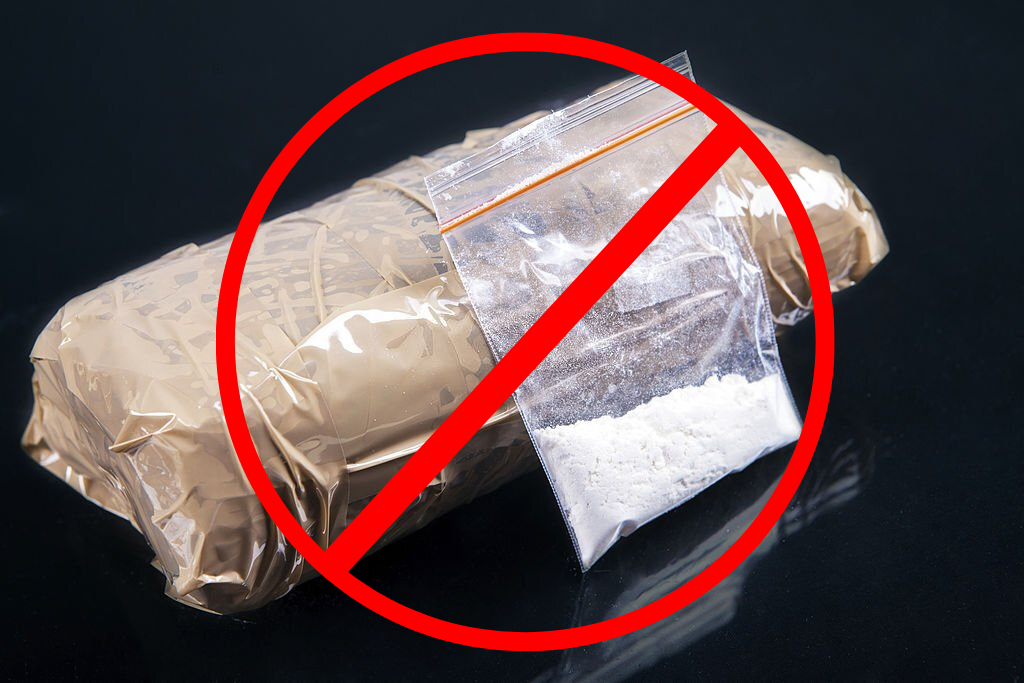
Stimulants: Cocaine, Amphetamine, and Methamphetamine

Stimulants: Cocaine, Amphetamine, and Methamphetamine
Stimulant abuse (Cocaine, Amphetamine, and Methamphetamine) continues to be a persistent problem. Often stimulant abusers are using them to counteract the effects of other drugs, usually opioids. Most stimulant abuse is seen in people also abusing opioids. Patients being treated for opioid abuse will often decrease their use of stimulants during their detox. For patients only using stimulants both support systems listed below, as well as certain medications such as Bupropion have shown to be effective in restoring normal functioning. Here at Addiction Specialists of Southern California we also offer novel approaches that may help with reducing recurrence in stimulant use using Ketamine/Oxytocin therapy. In addition, we also utilize non-drug supplements, such as NAC (N-Acetyl Cysteine,) which has been shown to decrease drug-seeking behavior and cravings in adults who seek treatment for cocaine and methamphetamine abuse.
The treatment of cocaine, amphetamine and methamphetamine abuse involves multifaceted, multidisciplinary approaches to increase success and achieve long-term outcomes, below are some of the steps and approaches we provide at Addiction Specialists of So. Cal.
Addiction Specialists of Southern California.
Are you ready to Improve your Lifestyle?
CONTACT US TODAY!
Comprehensive Assessment
The initial step in treating any substance abuse is conducting a comprehensive assessment of the individual’s substance use history, overall health, and any co-occurring mental health disorders. This assessment helps in determining the severity of abuse and tailoring an appropriate treatment plan.
Detoxification (if necessary)
For individuals with severe substance dependence, a supervised detoxification process may be necessary. This stage involves gradually reducing substance intake under medical supervision to manage withdrawal symptoms and minimize discomfort.
Behavioral Therapies
Behavioral therapies play a crucial role in treating substance abuse by addressing the underlying causes, triggers, and patterns of use. Some effective therapy options include:
- Cognitive-Behavioral Therapy (CBT): CBT helps individuals identify and modify maladaptive thoughts, beliefs, and behaviors associated with marijuana use. It focuses on developing coping strategies, enhancing problem-solving skills, and preventing relapse.
- Motivational Enhancement Therapy (MET): MET aims to increase an individual's motivation to change their behavior by exploring and resolving ambivalence towards substance use. It helps individuals identify personal goals and develop strategies to achieve them.
- Contingency Management (CM): CM involves providing tangible rewards or incentives to reinforce abstinence from substance use. Positive reinforcement is used to encourage individuals to engage in healthy activities and maintain sobriety.
Supportive Interventions
Supportive interventions can greatly complement behavioral therapies and enhance treatment outcomes. These interventions may include
- Support Groups: Participating in support groups, such as Cocaine Anonymous (CA,) Crystal Meth Anonymous (CMA,) Narcotics Anonymous (NA,) Alcoholics Anonymous (AA,) Heroin Anonymous (HA,) Marijuana Anonymous (MA,) Pills Anonymous (PA,) or group therapy sessions, provides individuals with a supportive community of peers facing similar challenges.
- Family Therapy: Involving family members in therapy sessions can improve communication, address dysfunctional dynamics, and create a supportive environment that encourages recovery.
- Individual Counseling: Individual counseling sessions allow individuals to explore personal issues, develop coping skills, and address any co-occurring mental health concerns.
Holistic Approaches
Integrating holistic approaches, such as mindfulness meditation, exercise, nutrition, and stress reduction techniques, can contribute to overall well-being and aid in the recovery process. These practices promote self-care, reduce cravings, and enhance mental resilience.
Aftercare and Relapse Prevention
Developing a comprehensive aftercare plan is crucial for maintaining long-term recovery. This plan may involve ongoing therapy sessions, continued participation in support groups, regular check-ins with healthcare professionals, and building a strong support network.
Conclusion
Treating substance abuse requires a multifaceted approach that includes comprehensive assessment, behavioral therapies, supportive interventions, holistic approaches, and aftercare planning. By addressing the physical, psychological, and social aspects of the addiction, individuals can regain control over their lives and work towards sustained recovery. Addiction Specialists of So. Cal. is here to provide guidance, support, and the necessary tools to help achieve long-term recovery!